HAY & SEASONS
Putting up hay for the winter
A dry year means every bale counts. How we plan a winter's feed for the herd.
Yen Lee · 3 min read
If you want to understand a horse rescue's budget, start with the hay. A horse eats about 2 percent of its body weight in forage every day. For a 1,000-pound horse, that's around 20 pounds of hay, every day, all winter. Multiply that by a barn full of horses and five or six months of snow, and you start to see why ranchers in Gem County talk about hay the way other people talk about the weather.
Cutting our own
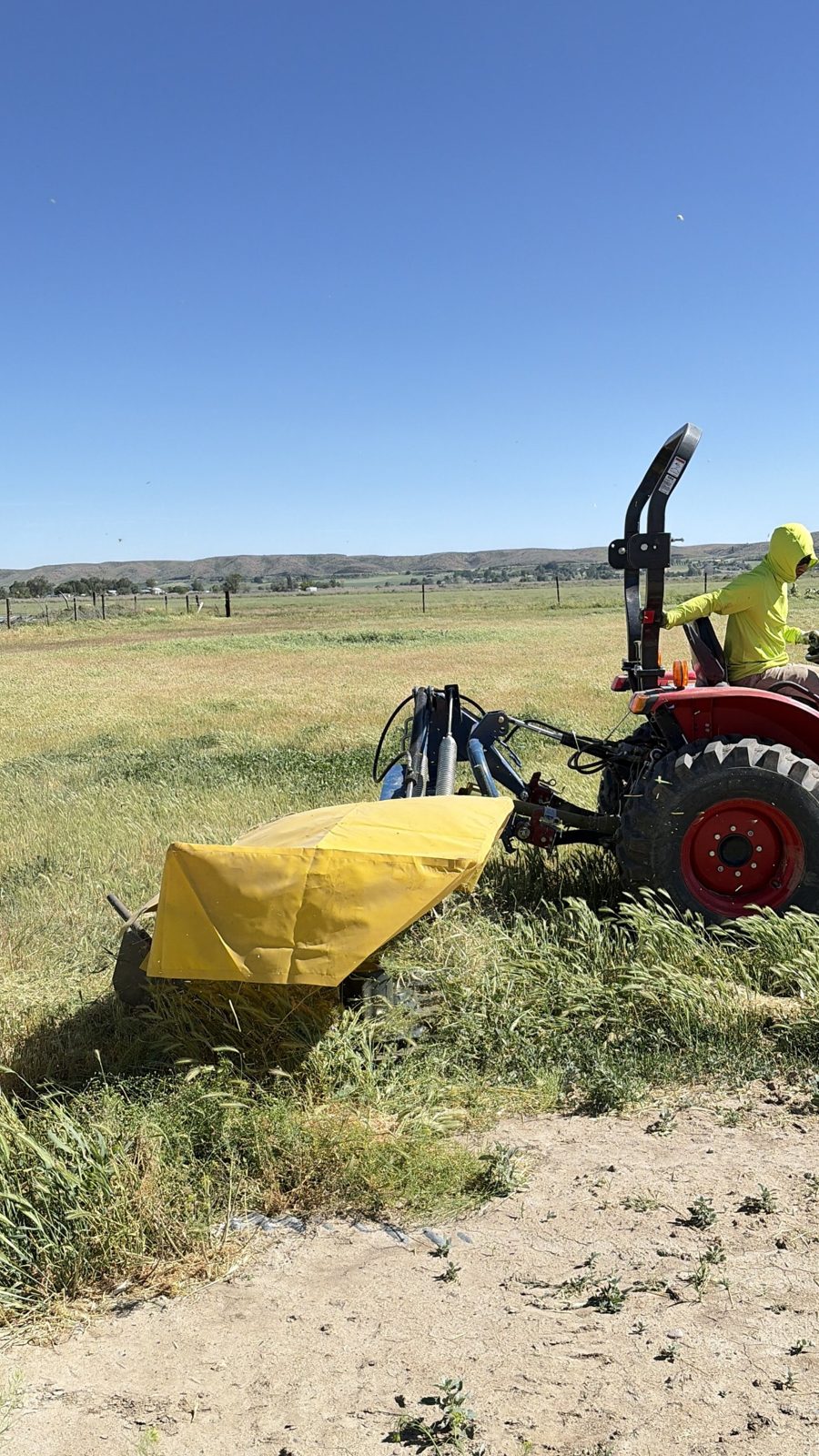
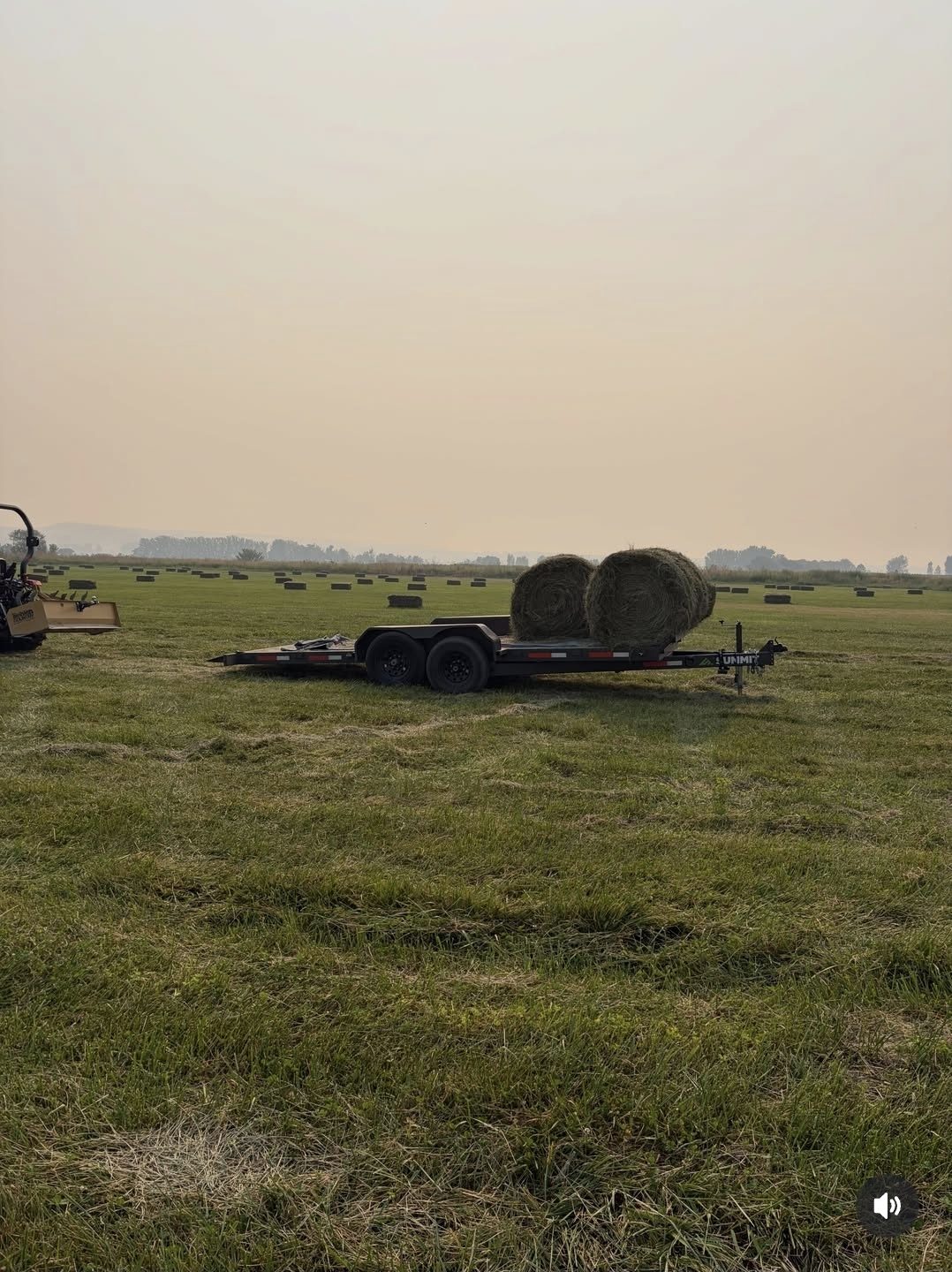
Green Pastures leases a five-acre hay field next to the ranch, and this year we cut it ourselves. The process is simple to describe and hard to get right.
First, the grass is cut with a mower and left in rows to dry in the sun. Then it's raked into windrows so it can finish curing evenly. Finally it's baled, either into small squares you can lift by hand or into big round bales moved with a tractor or loader.
Timing is everything
The hardest part of haying is the moisture. Bale it too wet, and the hay can mold, or even heat up enough to catch fire in storage. Let it dry too long, or get rained on in the field, and the leaves shatter and it loses much of its nutrition. Most hay crews spend the whole season watching the forecast and checking the grass by hand, waiting for the right window.
This year was a dry one across much of Idaho. That made the curing easier but the crop thinner, and it pushed hay prices up for everyone buying it. Every bale we put up ourselves is a bale we don't have to buy at drought prices.
Good hay for rescue horses
Rescued horses are often underweight, and they can't be fed like a healthy horse on day one. Bringing a starved horse back is done slowly, with small, frequent meals of good grass hay, under a vet's guidance. Rich feed too fast can make a starving horse very sick. That's why the quality of our hay matters as much as the quantity.
Grass hay is our everyday staple. Some horses with special needs, like seniors with worn teeth, may need soaked hay cubes or other forage we can chew-test for them. Our vet helps us decide what each horse gets.
[Yen's notes: how many bales came off the field this year, the type of grass, and how many tons we still need to buy for winter.]
Next year: sprinklers
One of next year's projects is sprinklers for the hay field. Reliable irrigation should mean more cuttings and a better crop, which means more of the herd's winter feed grown right here.
Sponsor dinner for a month.
$150 feeds one horse for 30 days. We'll send you a photo of the horse you fed.
Give now